From the 1960s through to the 1980s, Decramastic pressed-metal tiles topped hundreds of thousands of Kiwi homes, prized for their lightweight strength and distinctive stone-chip finish. What many homeowners don't realise is that the danger isn't in the steel itself but in the coating: on a Decramastic tile, the bitumen layer is the part containing asbestos, binding the stone chips to the metal, and WorkSafe has confirmed that roofs of this type installed before asbestos was phased out may contain chrysotile asbestos.
In short: Decramastic tiles made between the 1960s and early 1980s can contain asbestos in their bitumen coating, you can't confirm it by looking, and removing an asbestos roof legally requires a WorkSafe-licensed removalist — not a standard roofer.
From the early 80s forward, Decramastic tiles phased out the use of asbestos-based products. However, testing these is recommended before disturbing them in any way.
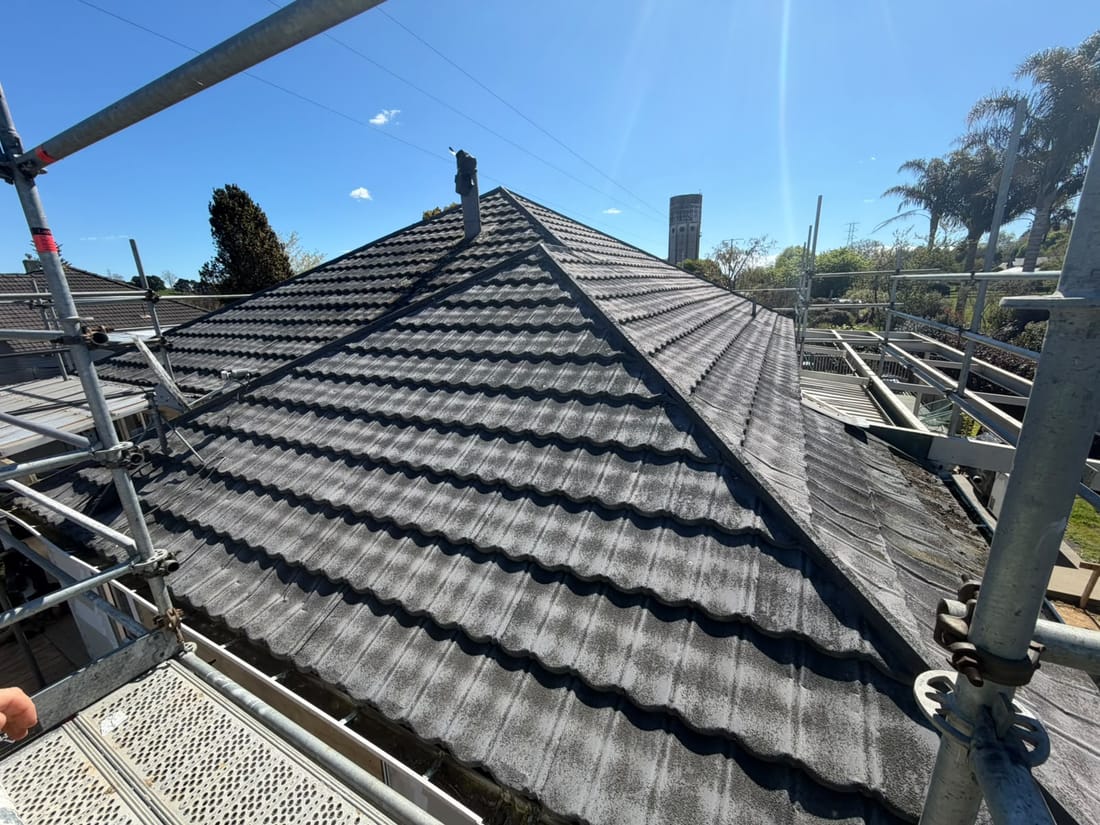
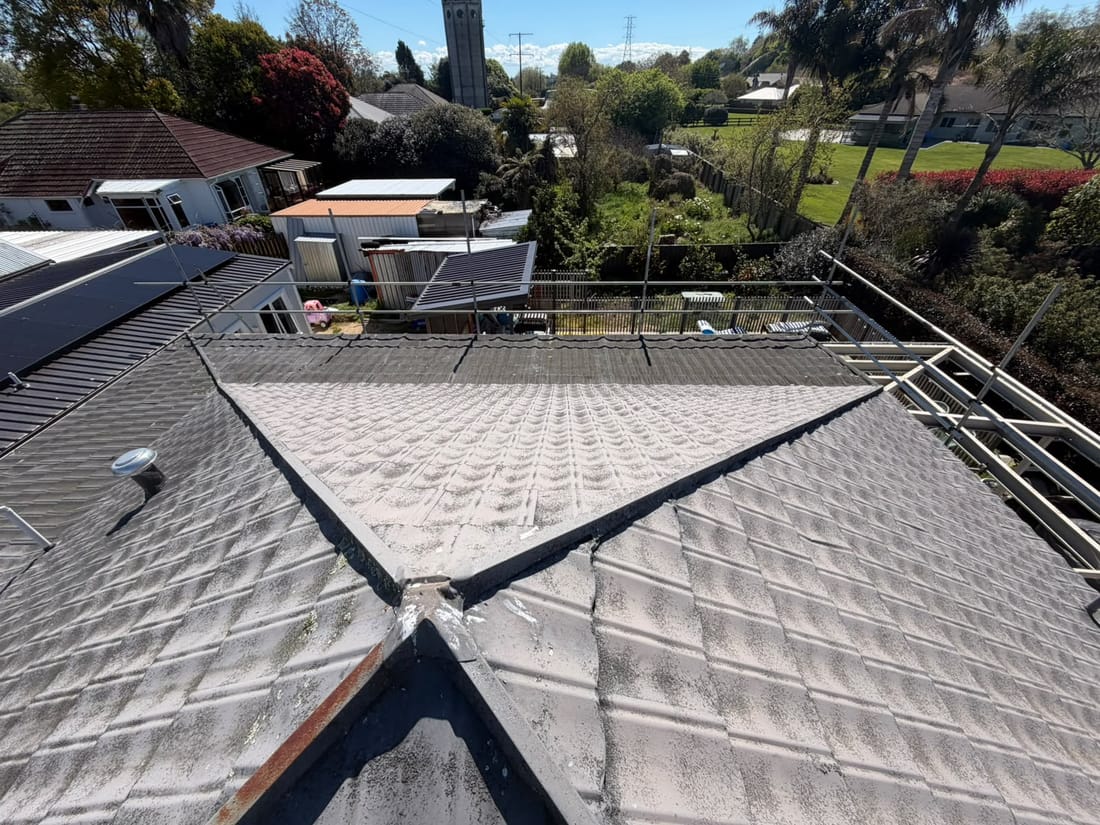
As the tiles weather, or are cut, broken, or water-blasted, they can shed fibres too small to see that, once breathed in, can cause serious health problems, including asbestosis, lung cancer, and mesothelioma.
Under New Zealand regulations, a licence is required to remove more than 10m² of non-friable asbestos-containing material in one job (in practice, almost every Decramastic roof), so removal must be carried out by a WorkSafe-licensed asbestos removalist following the safe-work practices WorkSafe sets out for removing metal cladding lined with asbestos-containing bitumen, such as Decramastic tiles.
Apex Asbestos Removal are experts in the removal, disposal and cleanup of Decramastic roof tiles, making the roof safe and ready for installation of a modern new roof to enhance your home's looks and weathertightness.
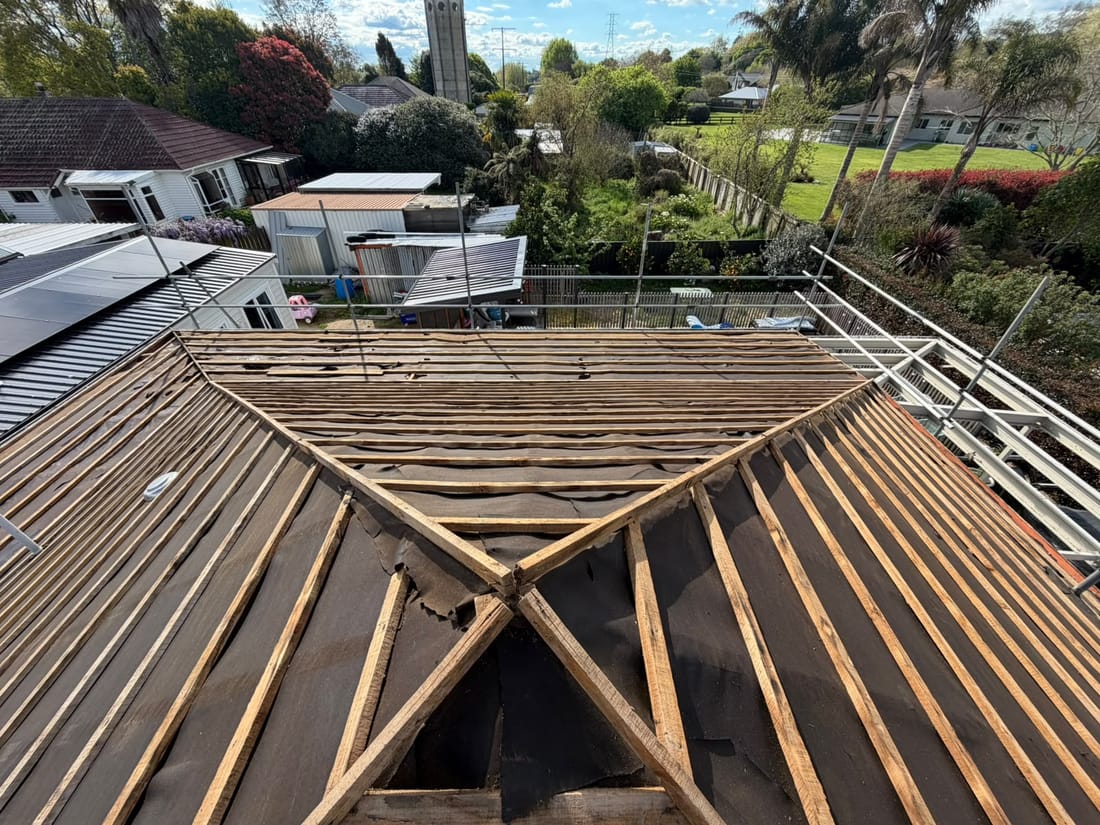
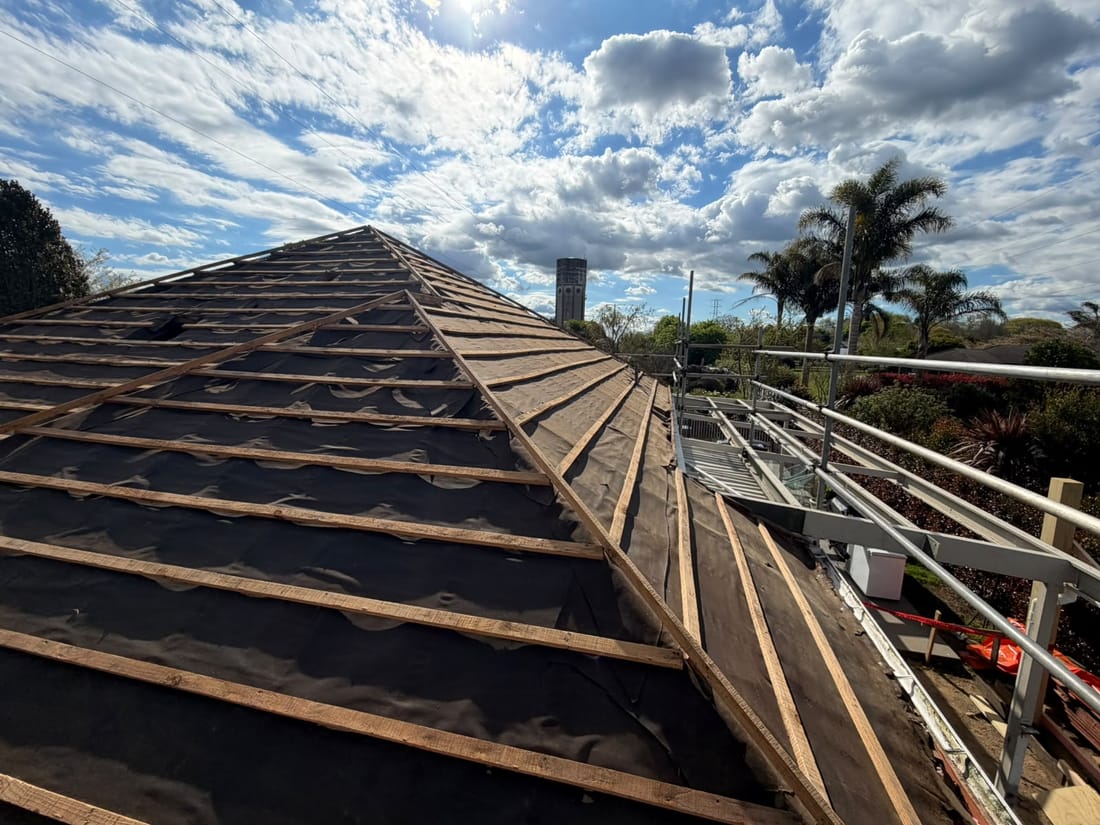
We work closely with roofing contractors around timing and staging to carefully manage the risks associated with opening the building to the elements. We provide a clearance inspection at the conclusion of each job to give you peace of mind the task is completed to the highest standard.
Frequently asked questions
Do Decramastic roof tiles contain asbestos?
Many do. Decramastic pressed-metal tiles made from the 1960s to the early 1980s can contain chrysotile (white) asbestos in the bitumen coating that binds the stone chips to the steel. From the early 1980s the asbestos-based products were phased out, but testing is the only way to be sure, so any Decramastic roof should be tested before it's disturbed.
How do I know if my Decramastic roof has asbestos?
You can't tell by looking — asbestos and non-asbestos coatings look identical. The only reliable way is to have a sample tested by an accredited laboratory. Age is the best first clue: tiles installed from the 1960s to early 1980s are the most likely to contain asbestos.
Can a roofer remove my asbestos Decramastic roof?
Not on their own. Removing more than 10m² of non-friable asbestos — which covers almost every Decramastic roof — must be done by a WorkSafe-licensed asbestos removalist following WorkSafe's safe-work practices. We work alongside your roofing contractor, removing the asbestos tiles first so the new roof can go straight on.
Do you need to test the roof before removing it?
Testing is strongly recommended before any Decramastic tiles are cut, broken or disturbed, so the material is handled correctly. In practice, roofs of this age are usually treated as asbestos-containing and removed under licensed, controlled conditions unless testing confirms otherwise.
Why is a weathered Decramastic roof a health risk?
As the tiles weather, or are cut, broken or water-blasted, the bitumen coating can shed asbestos fibres too small to see. Breathing them in can cause serious diseases including asbestosis, lung cancer and mesothelioma, which is why removal must be done safely by a licensed team.