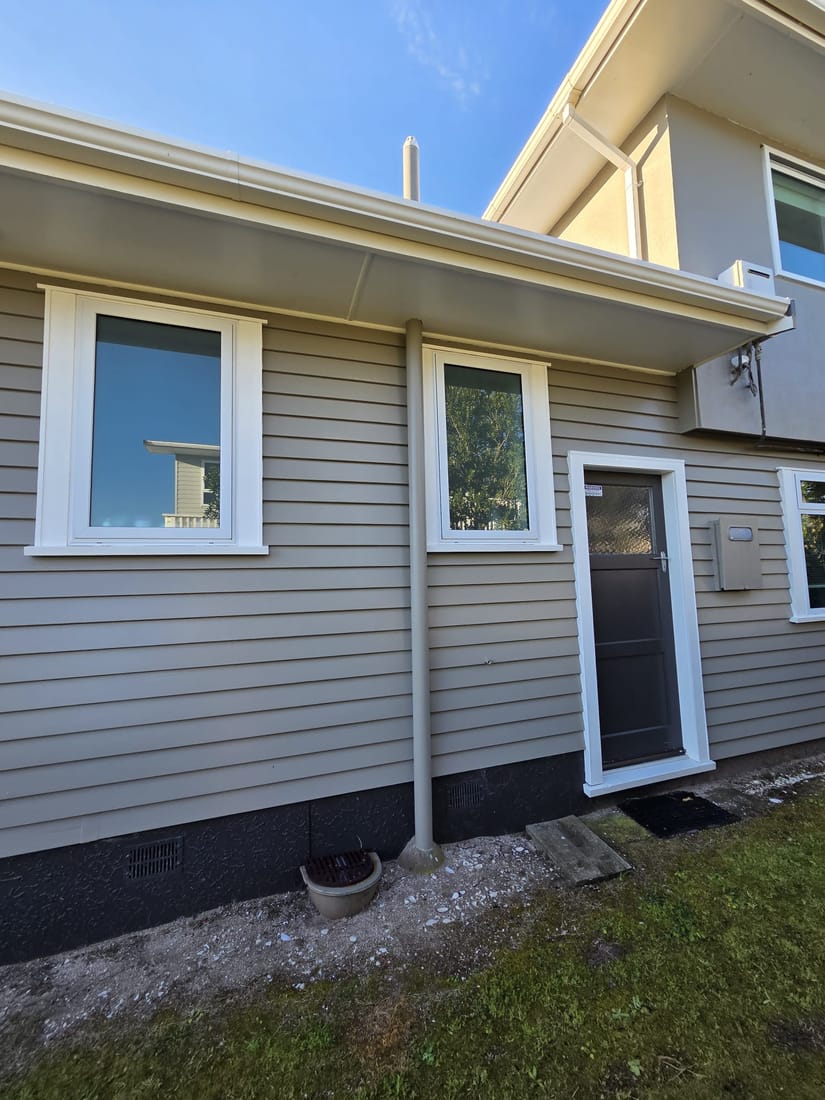
At first glance, this tidy 1970s home looks like it's had some modern upgrades, but like many New Zealand houses built before the mid-1980s, it still hides several asbestos-containing materials (ACMs) in plain sight, meaning a lot of homeowners and tradespeople don't give it a second thought. Here's where we found them.
On this one home alone, we found asbestos in five common places: the subfloor base boards, the soffits under the eaves, the electrical meter board, the toilet vent pipe and the faux-brick cladding — all typical hiding spots in New Zealand houses from the 1960s to the 1980s.
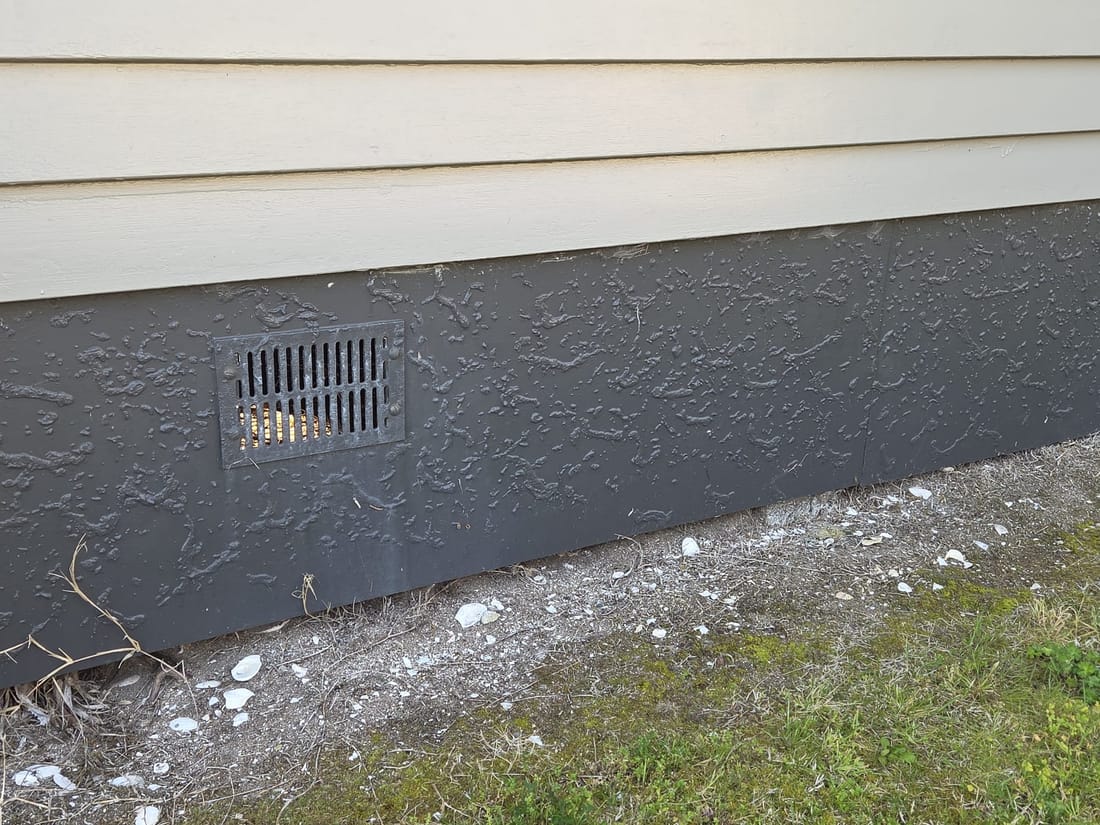
1. Asbestos cement board around the base of the house
The dark, textured panels running along the bottom of the walls are asbestos-cement sheets used to enclose the subfloor. Sitting at ground level, these boards are easily cracked by lawnmowers, line trimmers, or a knock from a wheelbarrow, which can release fibres right where people walk.
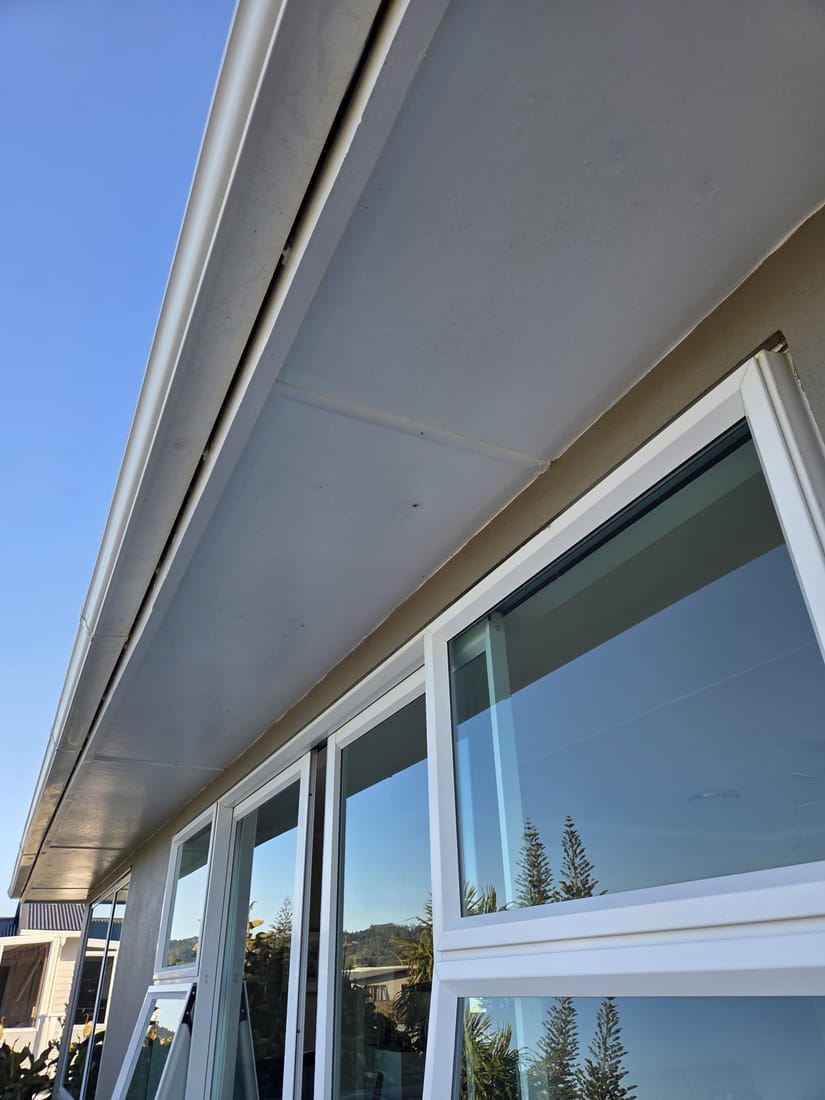
2. Asbestos soffits
The flat lining under the eaves is asbestos-cement sheet, one of the most common places asbestos turns up in homes from this era. Soffits are often disturbed during re-roofing, gutter replacement, or when drilling in brackets for heat pumps and lighting.
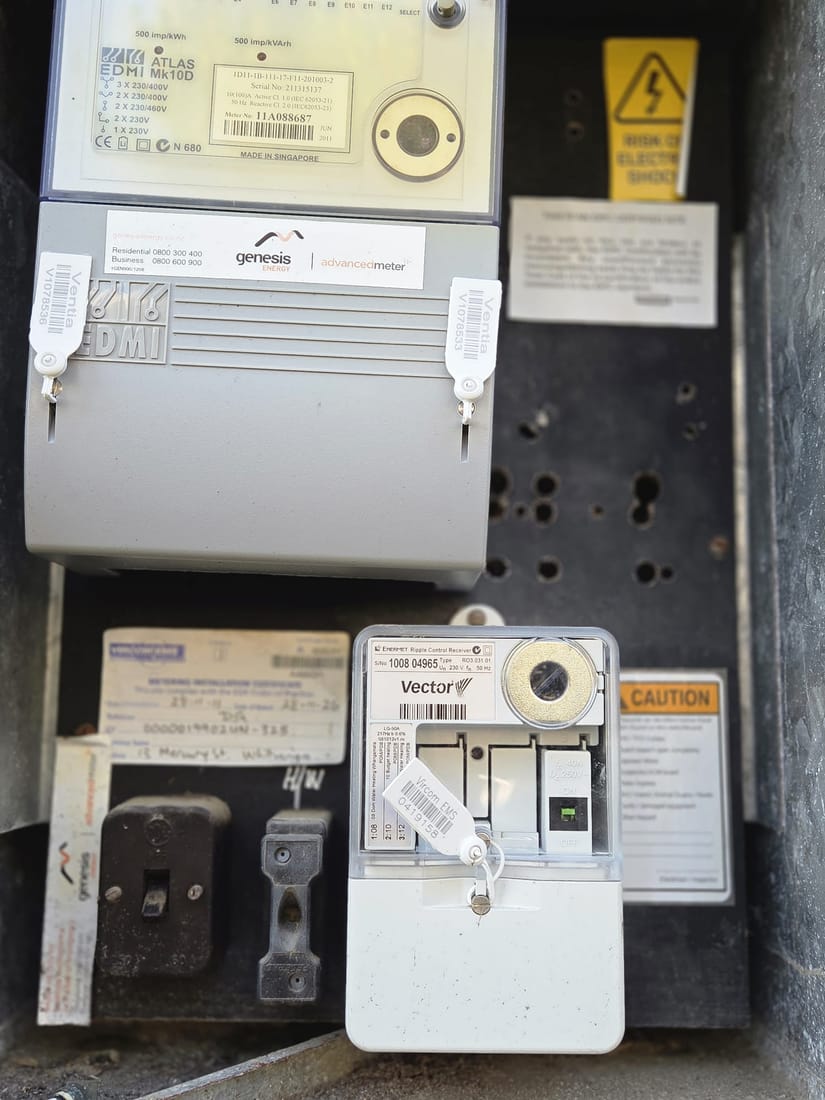
3. Asbestos board in the meter box
Behind the power meter sits the black mounting board, which on homes of this age is often made from an asbestos-containing composite. Electricians regularly drill into or replace these boards during meter upgrades.
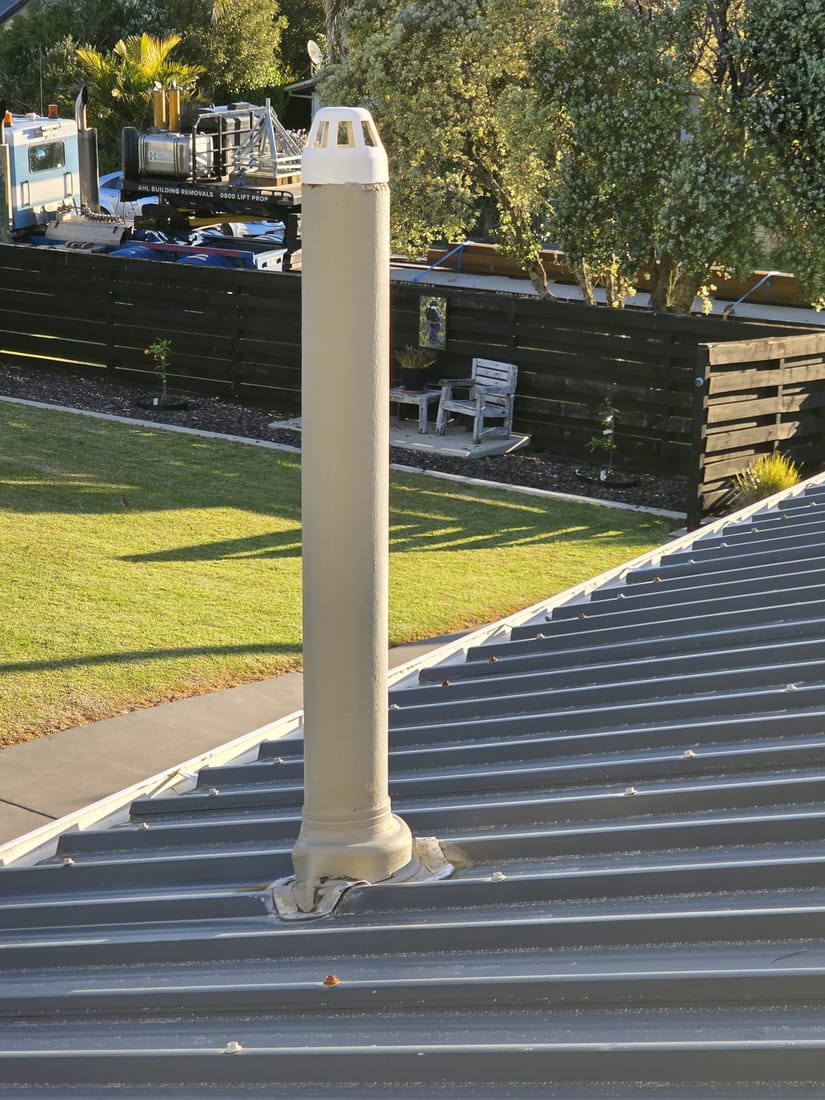
4. Asbestos cement toilet vent pipe
The pipe poking up through the roofline is the toilet vent, made from asbestos cement. Decades of sun and weather can leave the surface brittle and degraded, and it's often disturbed during roofing or plumbing work.
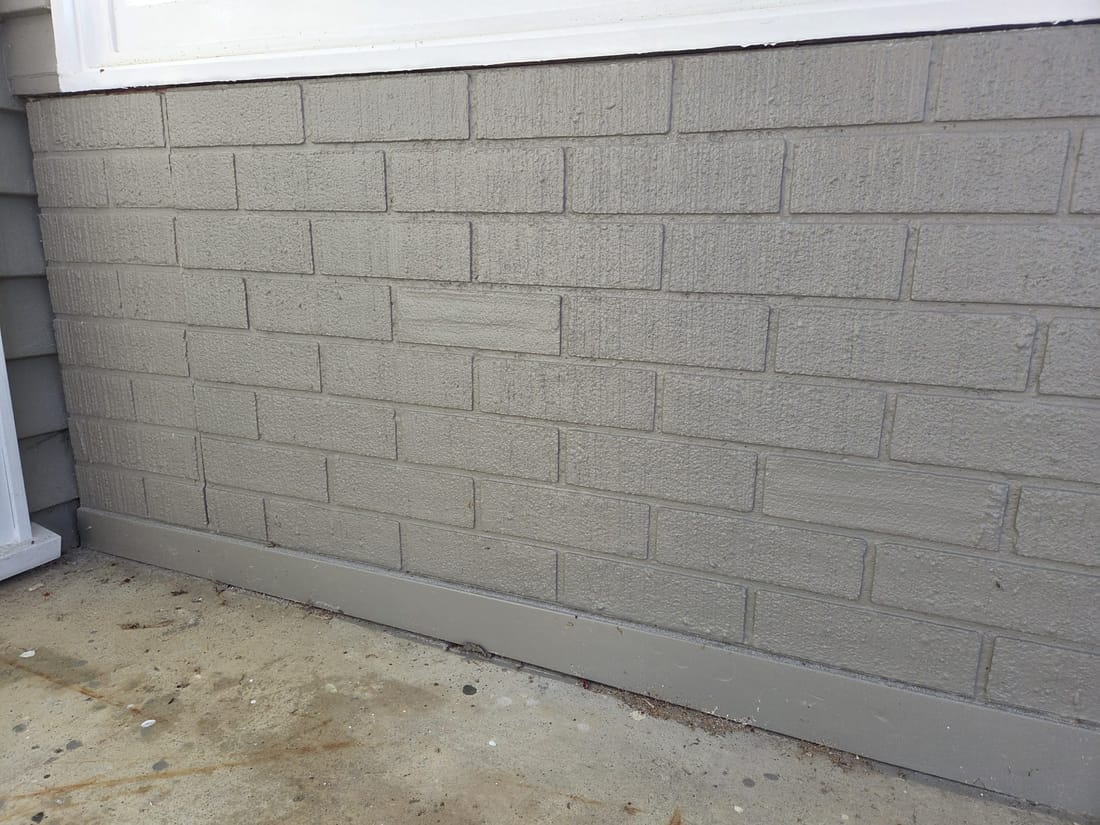
5. Faux brick panels
These faux brick panels are a classic feature of New Zealand homes from the 1960s to 1980s. They're usually asbestos-cement sheets pressed with a brick-and-mortar pattern and a sand-like texture, then painted, as a cheaper alternative to real brick veneer. Often found around windows, exterior cladding or around fireplaces and log burners due to their heat and fire-resistant properties. You can't confirm asbestos just by looking, though. Some faux brick products from that period were fibre-cement without asbestos, embossed hardboard, or vinyl, so a sample needs to be tested by a lab.
What this means for homeowners
Left intact and undisturbed, these materials pose a low risk, but cutting, drilling, sanding, water-blasting, or breaking them can release fibres that cause asbestosis, lung cancer, and mesothelioma. If you're planning renovations, repainting, re-roofing, or electrical work on a pre-1990s home, get an asbestos survey done first. Under WorkSafe rules, removing more than 10m² of non-friable asbestos in one job requires a licensed asbestos removalist.
Frequently asked questions
Does a 1970s New Zealand house contain asbestos?
Very likely. Asbestos was used in New Zealand building products until it was fully banned in 2016, and homes built or renovated before the mid-1980s commonly contain it. A 1970s house will often have asbestos in several places, even after modern upgrades.
Where is asbestos usually found in a 1970s home?
Common spots include subfloor base boards, soffit and eaves linings, the electrical meter board, the toilet vent pipe, textured ceilings, vinyl flooring and faux-brick cladding. Roofing and cladding products such as Fibrolite sheet, Super Six and Decramastic tiles are also common.
How can I tell if a material in my home contains asbestos?
You can't confirm asbestos just by looking, because many asbestos products look identical to non-asbestos ones. The only reliable way is to have a sample tested by an accredited laboratory, usually as part of an asbestos survey before any work starts.
Is it safe to live in a house that contains asbestos?
Generally yes, if the material is in good condition and left undisturbed. Bonded (non-friable) asbestos only releases fibres when it's cut, drilled, sanded, broken or water-blasted. The risk comes during renovations, repairs or DIY — which is when testing and licensed removal matter.
Can I remove asbestos myself in New Zealand?
A homeowner may remove up to 10 square metres of non-friable asbestos, following safe handling and disposal rules. Anything over 10 square metres, or any friable asbestos, must be removed by a WorkSafe-licensed removalist. Most whole-house jobs exceed 10 square metres.